
A Participatory and Inclusive Process
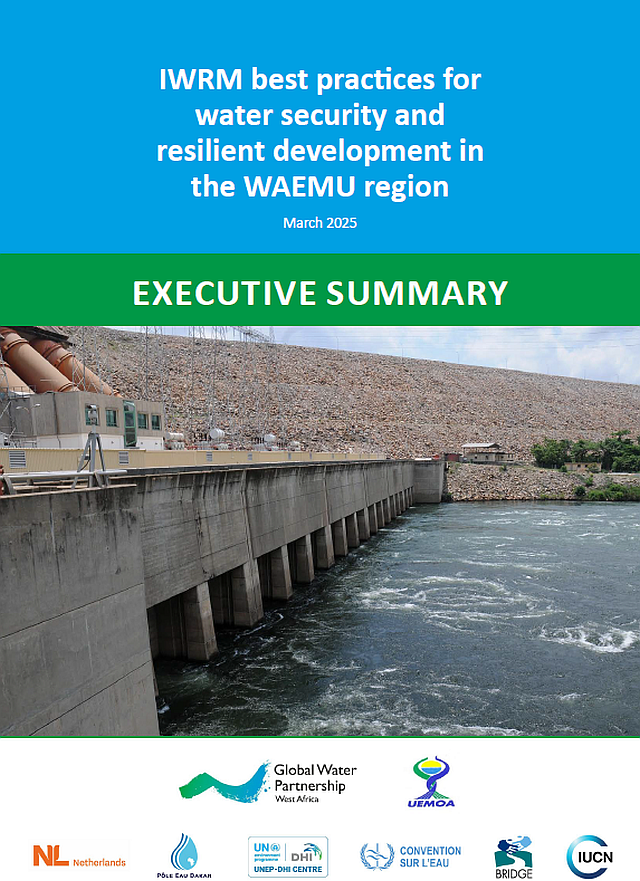
Presented by K. Armand HOUANYE, former Executive Secretary of GWP-WA, the manual is the result of a two-year collaborative effort (2023–2025) under the UEMOA IWRM Action Program 2019–2030. It compiles 33 best practices documented across the eight UEMOA countries, covering:
- National and local practices: 20 innovative initiatives in governance, management tools, and financing;
- Transboundary practices: 7 experiences from basin organizations, illustrating regional cooperation.
Available online, the manual is designed as a reference tool to accelerate IWRM implementation at all levels: local, national, and regional.
Clear Objectives for the Region
 According to Ms. Hubertine ASSOGBA/BATOM-ATIYODI, representing the UEMOA Commission, the manual aims to:
- Capitalize and disseminate successful practices to strengthen water security;
- Promote political will and stakeholder engagement;
- Facilitate the establishment of management instruments and financing mechanisms.
She noted that some initiatives featured in the manual were showcased at the 10th World Water Forum in Bali (2024), highlighting their relevance and impact.
Collective Commitment to IWRM
Technical and financial partners, including UNEP-DHI and the Royal Netherlands Embassy, praised the manual’s relevance and its role in consolidating achievements. 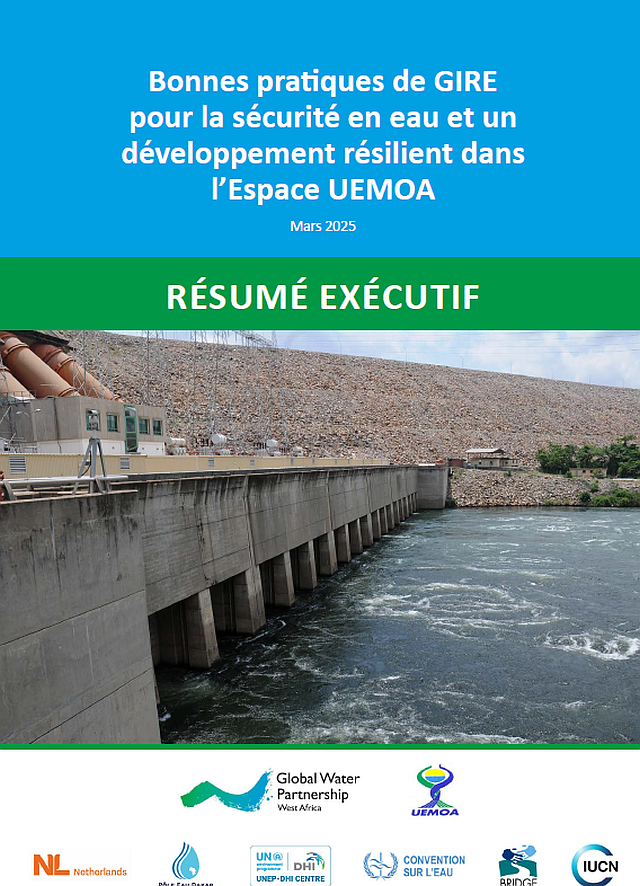 They emphasized the importance of national ownership and using the manual to mobilize financing, particularly climate finance.
A Lever for Cooperation and Resilience
This manual is part of a regional dynamic aimed at strengthening water governance, improving climate resilience, and promoting transboundary cooperation. It will serve as a foundation for future initiatives, notably the West Africa Regional Water Forum (FREAO) scheduled for 2026 in Abidjan.